★Iran Conflict Fuels Crude Inflation Fears, Rattling Global Markets
The market's biggest fear right now is sticky inflation, particularly if it's supply-side driven and outside central bank control. Geopolitical events impacting critical commodities like oil directly feed this narrative, making the Fed's job infinitely harder and putting downward pressure on risk assets.
Why This Matters
- ▸Geopolitical tensions directly impact oil supply and prices.
- ▸Higher oil prices fuel inflation fears, affecting central bank policy.
Market Reaction
- ▸Equity markets likely to see downward pressure on inflation concerns.
- ▸Oil prices (WTI, Brent) could rise further on supply disruption fears.
What Happens Next
- ▸Watch crude oil prices for sustained upward momentum.
- ▸Monitor central bank rhetoric on inflation and interest rate outlook.
The Big Market Report Take
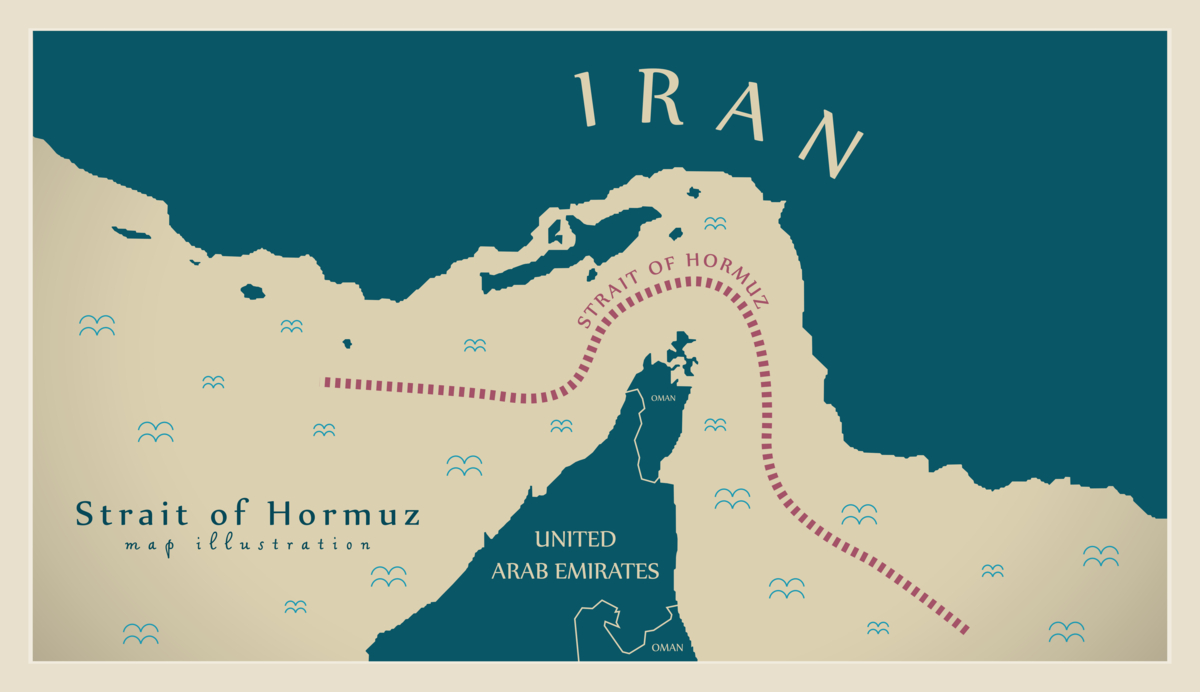
Well, folks, it seems the market is finally having a "Crude Awakening" to the reality of persistent inflation, primarily driven by escalating geopolitical tensions. The abandonment of hope for a swift resolution to the Iran conflict directly translates to fears of disrupted oil supply. This isn't just about energy; it's about the broader inflationary pressures that could force central banks to maintain, or even tighten, monetary policy. Expect this sentiment to ripple through various asset classes, as the cost of doing business goes up.
Go deeper: Get Morningstar's independent analyst rating, fair value estimate, and portfolio tools for this story.
Morningstar Research →Affiliate link — we may earn a commission at no cost to you.
Related Guides
Never miss a story
More from this section
- ECB Holds Rates Amid Iran Fallout: What It Means for European EconomyBloomberg Markets4h ago
- Philippine Central Bank Warns of 3-Year High Inflation Amid Mideast ConflictBloomberg Markets5h ago
- Fed's April 2026 Interest Rate Decision: What It Means for Your MoneySeeking Alpha9h ago