★Fed Chair Powell's Iran War Stance: Why Investors Should Watch His "Wait-and-See" Approach
The key takeaway for investors is that the Fed won't be swayed by headlines alone; they need tangible economic impacts. This means the market's focus remains on inflation data and labor market trends, not just geopolitical anxieties, unless those anxieties translate directly into economic shocks.
Why This Matters
- ▸Fed's stance on geopolitical risk affects monetary policy.
- ▸Signals caution, avoiding premature market reactions.
Market Reaction
- ▸Initial market uncertainty may persist.
- ▸No immediate policy shift expected from the Fed.
What Happens Next
- ▸Monitor geopolitical developments in the Middle East.
- ▸Watch for any change in Fed's economic outlook.
The Big Market Report Take
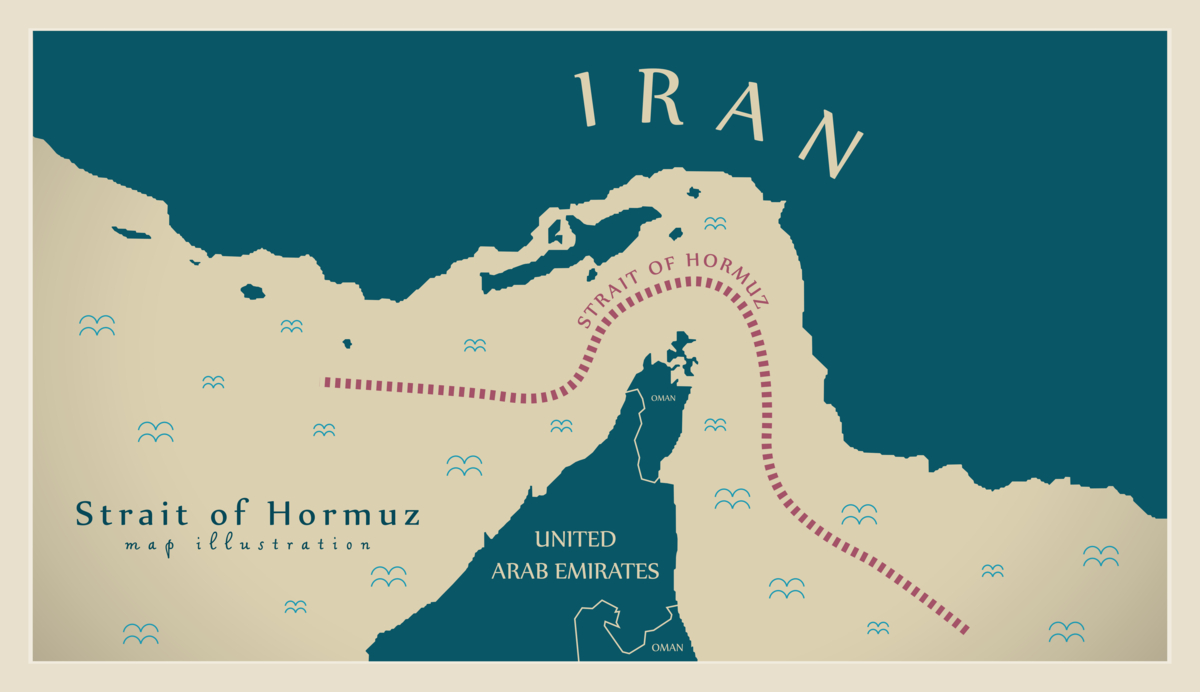
Fed Chair Jerome Powell's "wait-and-see" approach to the potential impact of a war in Iran is exactly what we'd expect from a central banker. He's not going to speculate or overreact to geopolitical headlines, especially when the economic fallout is still highly uncertain. This signals that the Federal Reserve (FED) will maintain its current policy trajectory unless concrete economic data, like sustained energy price spikes or supply chain disruptions, forces their hand. Investors shouldn't expect any knee-jerk policy shifts based solely on geopolitical tensions. The Fed is playing the long game here.
Go deeper: Get Morningstar's independent analyst rating, fair value estimate, and portfolio tools for this story.
Morningstar Research →Affiliate link — we may earn a commission at no cost to you.
Related Guides
Never miss a story