★Your 2026 Social Security Raise Is Already Falling Behind Inflation. Here's the Gap.
When Social Security benefits fail to keep pace with inflation, it directly impacts the consumer spending power of a massive demographic. This erosion of purchasing power can ripple through the economy, affecting everything from retail to healthcare. For investors, it signals potential headwinds for companies reliant on discretionary spending from older consumers, while also highlighting the persistent challenge of inflation management for the broader market.
Why This Matters
- ▸Millions of retirees face reduced purchasing power.
- ▸Inflation continues to outpace Social Security COLA.
Market Reaction
- ▸Consumer spending by retirees may decline.
- ▸Sectors reliant on senior spending could see pressure.
What Happens Next
- ▸Watch for updated inflation data impacting future COLA.
- ▸Policymakers may face pressure to address benefit adequacy.
The Big Market Report Take
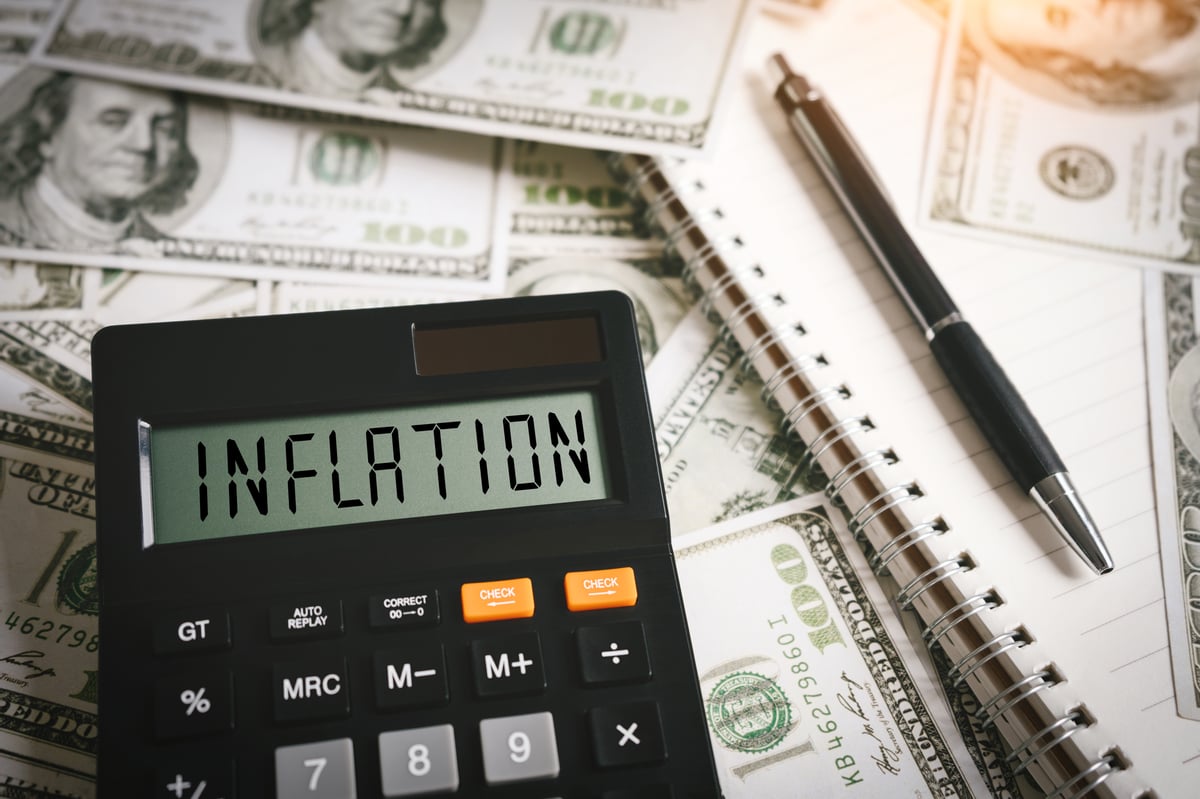
This headline highlights a critical issue: the 2026 Social Security raise is already falling behind inflation, meaning recipients are losing purchasing power. This isn't just a number; it's a direct hit to the financial stability of millions of retirees who rely on these benefits. The gap between promised increases and real-world costs continues to widen, creating significant economic strain for a large demographic. It's a stark reminder that inflation's bite is very real, especially for those on fixed incomes.
Related Guides
Never miss a story
More from this section
- Treasury Yields Rise Amid Inflation Concerns: Deepali BhargavaBloomberg Markets26m ago
- Nebius's Significant Downside Exacerbated By AI Bubble Re-InflationSeeking Alpha1h ago
- U.S. opens tariff refund portal for $166 billion in dutiesYahoo Finance2h ago
- Wall Street Breakfast Podcast: Tariff Refund Rush BeginsSeeking Alpha3h ago
- Fastenal Company: Tariff Concerns On Top Of An Expensive ValuationSeeking Alpha3h ago